

The Multi-Platform Dilemma: Do You Really Need To Be Everywhere?
A Strategic Guide to Picking the Right Platforms, Avoiding Burnout, and Repurposing Content Like a Pro

Hello creators!
Let’s be real — it’s easy to admire creators for their polished reels, packed workshops, and sold-out launches. But this week, we’re going behind the scenes to explore something far more valuable than the final product: the systems that power the process.
In this issue, we’re decoding the workflows, tools, planning rituals, and decision-making frameworks that help successful creators do what they do, consistently. From solopreneurs to scaled-up personal brands, this one’s for anyone building something real — without burning out.
Why Being Everywhere Doesn’t Work
Let’s start by acknowledging a common creator challenge: You’re told to be on every platform, posting daily. This leads to:
Burnout – You end up exhausted, trying to keep up with content creation everywhere.
Loss of focus – Spreading yourself across too many platforms can dilute your brand’s identity.
Inconsistent engagement – You’re too spread out to connect deeply with any one audience.
So, why not scale down the platforms you focus on and pour your energy into creating quality content? Let’s look at how the pros do it.
Top Creators' Multi-Platform Strategy
1. The Core + Secondary Channel Model
Top creators don’t feel the need to be everywhere. Instead, they pick a core platform that aligns with their content style and audience, then expand selectively into secondary platforms that can amplify their presence without burning them out. Here’s how it works:
Core Channel: Where your main content lives and thrives. For example, YouTube or Instagram, where your audience is the most engaged.
Secondary Channels: Platforms where you repurpose or share snippets of your content. These channels help you broaden your reach without having to reinvent the wheel (e.g., Twitter threads, LinkedIn posts, TikTok clips, newsletters).
Example: Ali Abdaal (UK)
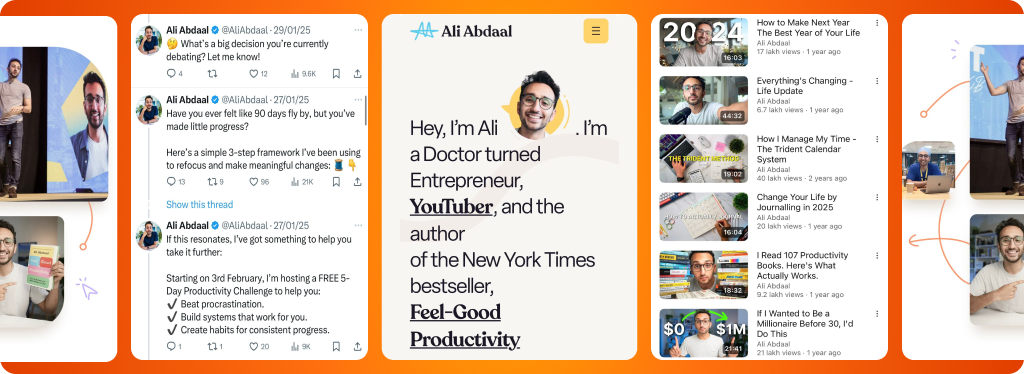
Core Channel: YouTube – Ali focuses on long-form content about productivity and learning.
Secondary Channels: Twitter for quick thoughts, Instagram for short-form content, and LinkedIn for professional insights.
Repurposing Strategy: He repurposes his YouTube videos into bite-sized snippets on Instagram and Twitter, letting him maintain a presence across platforms with minimal extra effort.
Outcome: Ali’s YouTube course Part-Time YouTuber Academy has generated millions in revenue, all built on a loyal core YouTube audience. (link to Ali’s content)
2. Repurposing: Work Smarter, Not Harder
Repurposing is your best friend. Instead of creating fresh content for each platform, turn one piece of content into multiple formats. Here’s how:
Video to Snippets: Take a 10-minute YouTube video and cut it into bite-sized pieces for TikTok, Instagram, and Twitter.
Quote Cards: Pick powerful quotes from your podcast or YouTube videos, and turn them into Instagram posts or LinkedIn updates.
Podcasts to Blog Posts: Turn podcast episodes into long-form written articles or summaries.
Example: Sahil Bloom (USA)
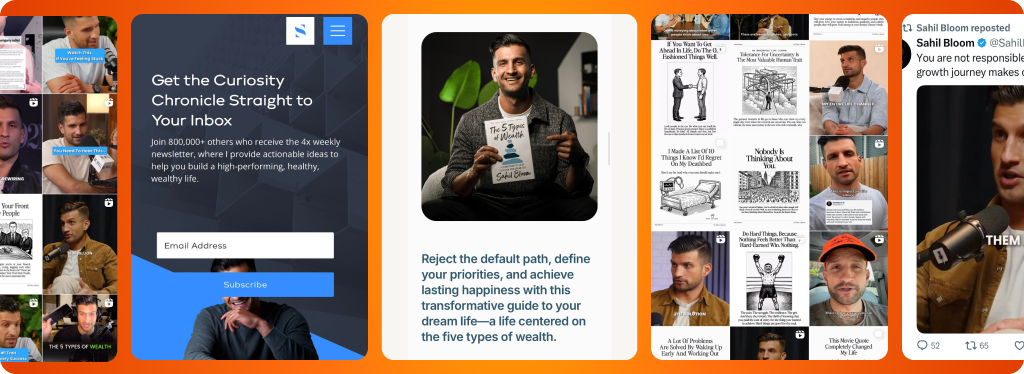
Core Channel: Twitter – Sahil uses his Twitter to share concise business and finance tips.
Secondary Channel: LinkedIn and Substack – He repurposes his Twitter threads into longer LinkedIn articles and emails them as newsletters.
Repurposing Strategy: Sahil uses Twitter threads to engage his audience, which he then expands into LinkedIn articles and weekly Substack posts.
Outcome: He has grown his following to over 1 million on Twitter and leveraged that into multiple successful business ventures. (link to Sahil’s X account)
3. Focus on Quality Engagement, Not Just Reach
When creators focus on one or two core platforms, they can foster deeper relationships with their audience. Instead of stretching yourself thin and worrying about follower counts, you can spend more time interacting with your core community.
Example: Gary Vaynerchuk (USA)
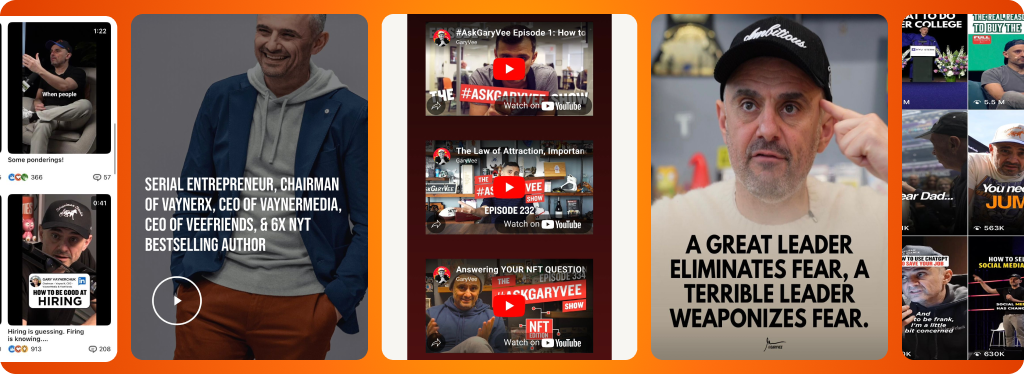
Core Channel: Instagram, YouTube – Gary uses Instagram and YouTube to deliver high-quality, value-packed content about marketing and entrepreneurship.
Secondary Channel: Twitter – He uses Twitter to engage with his audience, answering questions and sharing quick insights.
Repurposing Strategy: Gary makes sure that his Instagram and YouTube content always prompts interaction, offering followers opportunities to ask questions or share feedback.
Outcome: His community-driven content has led to hundreds of thousands of followers who trust his brand and buy from his businesses. (link to Gary Vaynerchuk’s Instagram)
4. Build Signature Formats That Stick
When you focus on building signature content formats, your audience knows exactly what to expect from you. This helps boost brand recognition and makes your content easily shareable.
Example: Prajakta Koli (India)
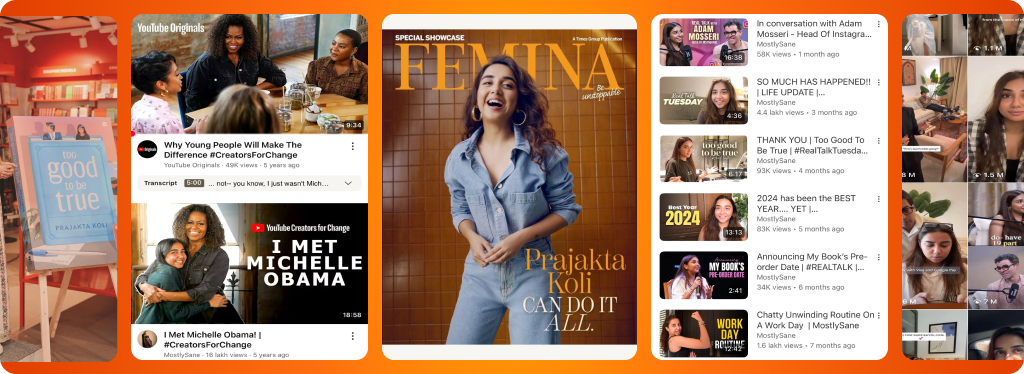
Core Channel: YouTube – Prajakta posts relatable lifestyle and comedy videos.
Secondary Channel: Instagram – She runs interactive story sessions, including AMA (Ask Me Anything) every week.
Repurposing Strategy: Prajakta invites her Instagram followers to submit questions for Sawal Saturday, where she engages directly with her community.
Outcome: This participation deepens her connection with followers, making them more likely to stay loyal and engage regularly. (link to Prajakta’s Instagram)
5. Don’t Ghost Between the Sale and the Success
A huge drop-off in retention happens after purchase — when creators focus on getting new buyers and forget to support existing ones.
Example: Vanessa Lau (USA/Canada)
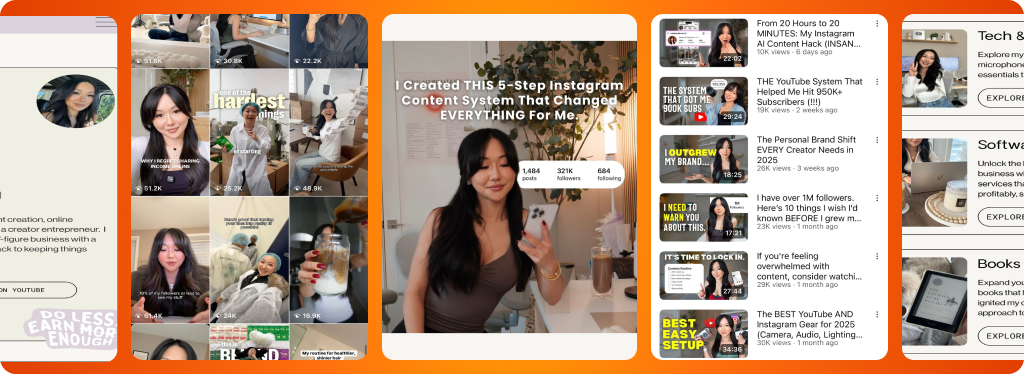
Core Channel: YouTube – Vanessa creates content around marketing and building a personal brand.
Secondary Channel: Instagram – She interacts with followers, checking in on their progress.
Repurposing Strategy: After people sign up for her courses, she makes sure to send mid-course updates, ask for feedback, and share progress check-ins.
Outcome: Vanessa's Course Creator Mastery program has seen high completion rates thanks to these post-purchase engagement strategies. (link to Vanessa Lau’s YouTube)
It’s Not About More – It’s About Better
You don’t need to be everywhere to be successful as a creator. By focusing on one core platform and strategically repurposing for secondary ones, you can maintain quality and consistency without burning out. Instead of just chasing reach, build genuine engagement with the right people, on the right platforms. By working smarter, not harder, you’ll grow your impact, community, and business sustainably.
So, think of it this way: Focus on what’s working. Repurpose to amplify your efforts. And keep engagement at the heart of it all. You’ve got this!
Pick Of The Week:
Check out Raj Shamani’s viral podcast episode featuring Vijay Mallya, where Mallya breaks a nine-year silence and challenges mainstream narratives around his fall. It’s a riveting watch - offering a rare, unfiltered conversation that makes you question how much media shapes public opinion and what the “truth” really is.